

%201.png)


Kemberton Solar Farm
.jpg)
Project timeline
The project
Helping to resolve the UK’s energy crisis and accelerating the transition to Net Zero through a renewable energy development in Shropshire.
Downing is currently in the pre-construction phase for a 15MW solar project in Shropshire, having acquired the project in 2025. Construction is expected to start in March 2026.
Once constructed Kemberton Solar Farm will produce enough renewable energy to power up to 5,000 UK homes annually. The project will make a direct contribution to the UK’s Net Zero goals. Transitioning to a renewable energy generation system should mean cheaper energy bills for the UK consumer, and solar power is one of the cheapest sources of renewable energy.
Kemberton was consented February 2024. The planning application can be seen with the following reference number: 22/02441/FUL.
Latest updates
The Planning Application was granted by South Kesteven District Council, on 8 May 2025. You can view all documentation related to the application here.
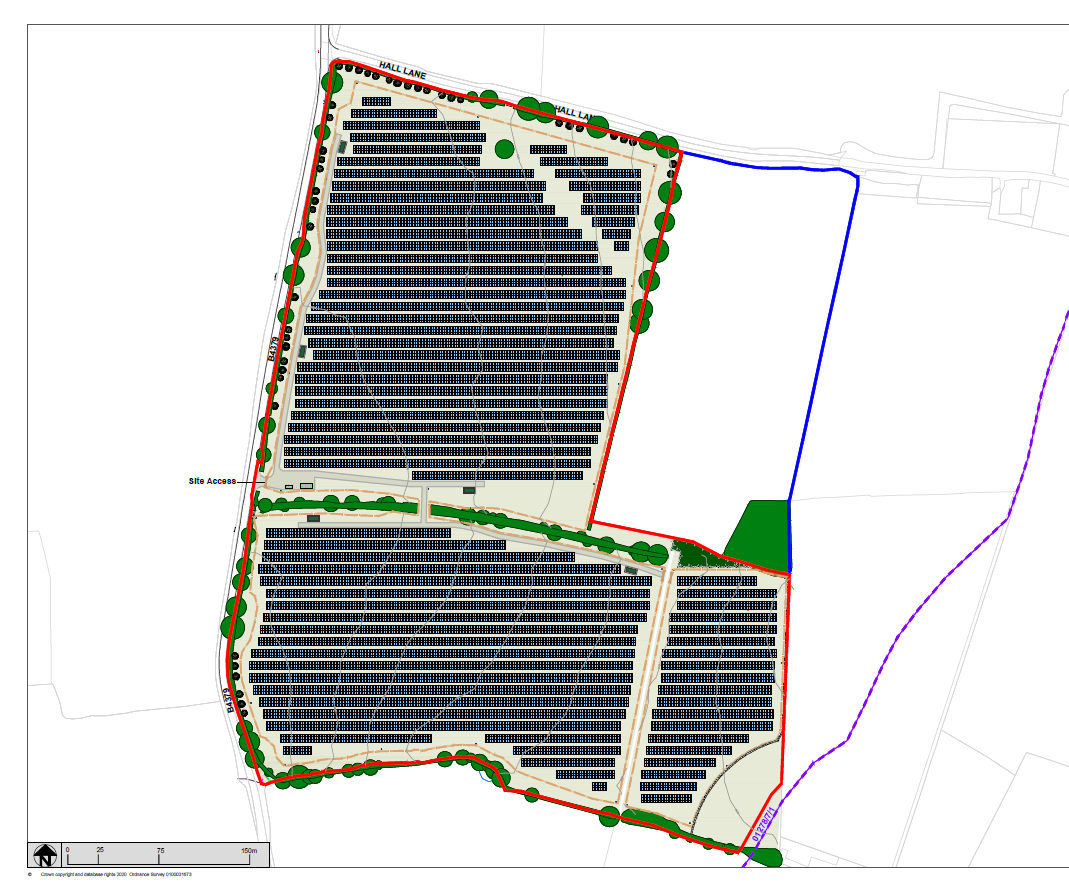
Our site plans are outlined below


Creating a sustainable future
As well as being renewable and low carbon, solar power is one of the cheapest forms of energy for the U.K. A fivefold increase in installed solar capacity is needed by 2050 according to the Government’s Energy Security Strategy (2022) and projects such as Limes Farm Solar Park will help the U.K. accelerate the transition to Net Zero.
We have a long-term vision for Kemberton Solar Park which helps to address the UK’s energy crisis, provides a substantial biodiversity net gain and supports farmers, local agriculture and the local community.
Forming a strong relationship with the community that we serve is important to us and we are continually exploring ways we can better support local initiatives. We value your feedback and try to reflect it in the way the project is designed, like the inclusion of permissive pathways and the retention and creation of wildlife habitats. If you do have any thoughts on how we can improve our proposals, please do get in touch.
Our commitments







%201.png)
DRD is a trading name of Downing Renewables Developments LLP (a private limited liability partnership with registration number OC439748). DRD is not authorised or regulated by the Financial Conduct Authority, (“FCA”). As such, clients will not be afforded the protections available under the rules of the FCA and will not be eligible for compensation under the rules of the Financial Services Compensation Scheme (“FSCS”).
