

%201.png)


Maximise the potential of your land with Downing
Diversifying your land through renewable energy development could provide a long-term sustainable revenue stream whilst promoting ethical land use, maximising your land’s potential income.

Six benefits of partnering with Downing

Improve the biodiversity of your land

Ethical and responsible use of your land

Large, dedicated team

Significant investment experience

Ongoing partnerships

Long-term financial returns
Biodiversity improvement is factored into all our renewable developments. We work on a site-by-site basis to implement the most appropriate strategy to improve the land’s biodiversity.
Biodiversity improvement is factored into all our renewable developments. We work on a site-by-site basis to implement the most appropriate strategy to improve the land’s biodiversity.
Biodiversity improvement is factored into all our renewable developments. We work on a site-by-site basis to implement the most appropriate strategy to improve the land’s biodiversity.
Biodiversity improvement is factored into all our renewable developments. We work on a site-by-site basis to implement the most appropriate strategy to improve the land’s biodiversity.
Biodiversity improvement is factored into all our renewable developments. We work on a site-by-site basis to implement the most appropriate strategy to improve the land’s biodiversity.
Biodiversity improvement is factored into all our renewable developments. We work on a site-by-site basis to implement the most appropriate strategy to improve the land’s biodiversity.
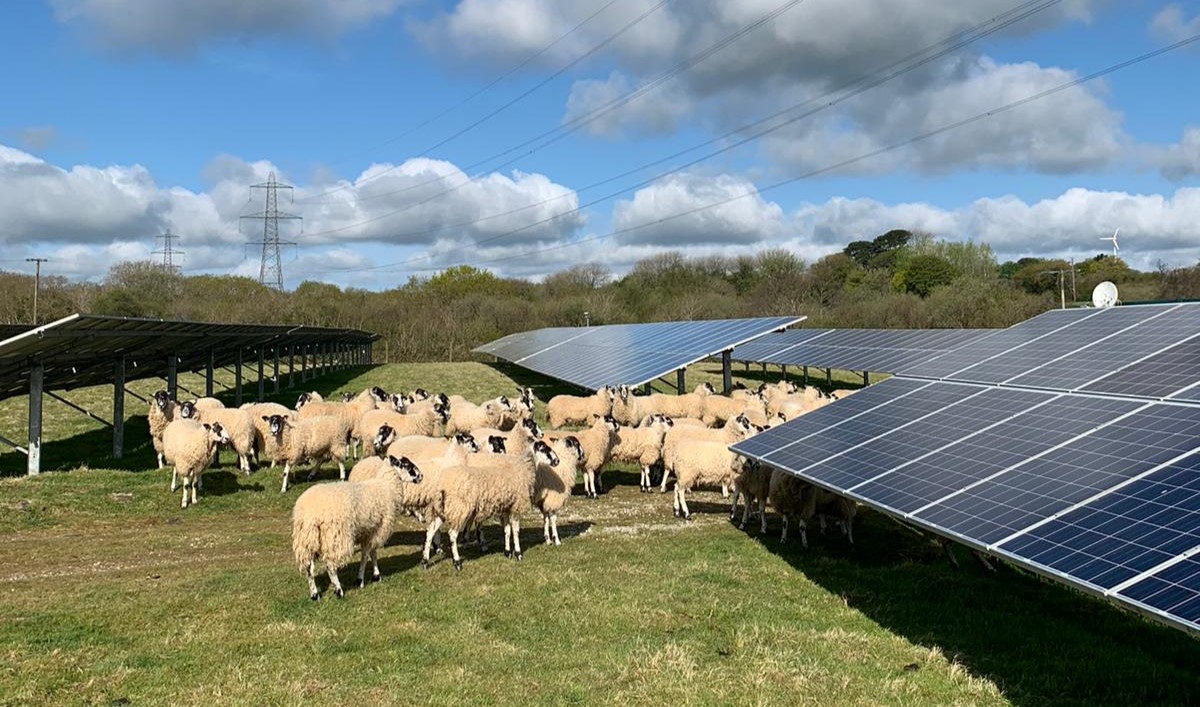
Our commitment to your land
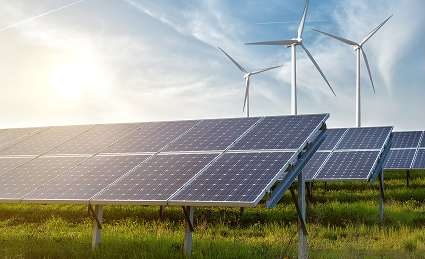
How we work with you on your land

- Grid connection enquiry: is a connection possible?
- Initial site feasibility: evaluate site considerations – land grade, environmental planning, etc
- Initial landowner contact: we will only contact landowners if the above feasibility is positive
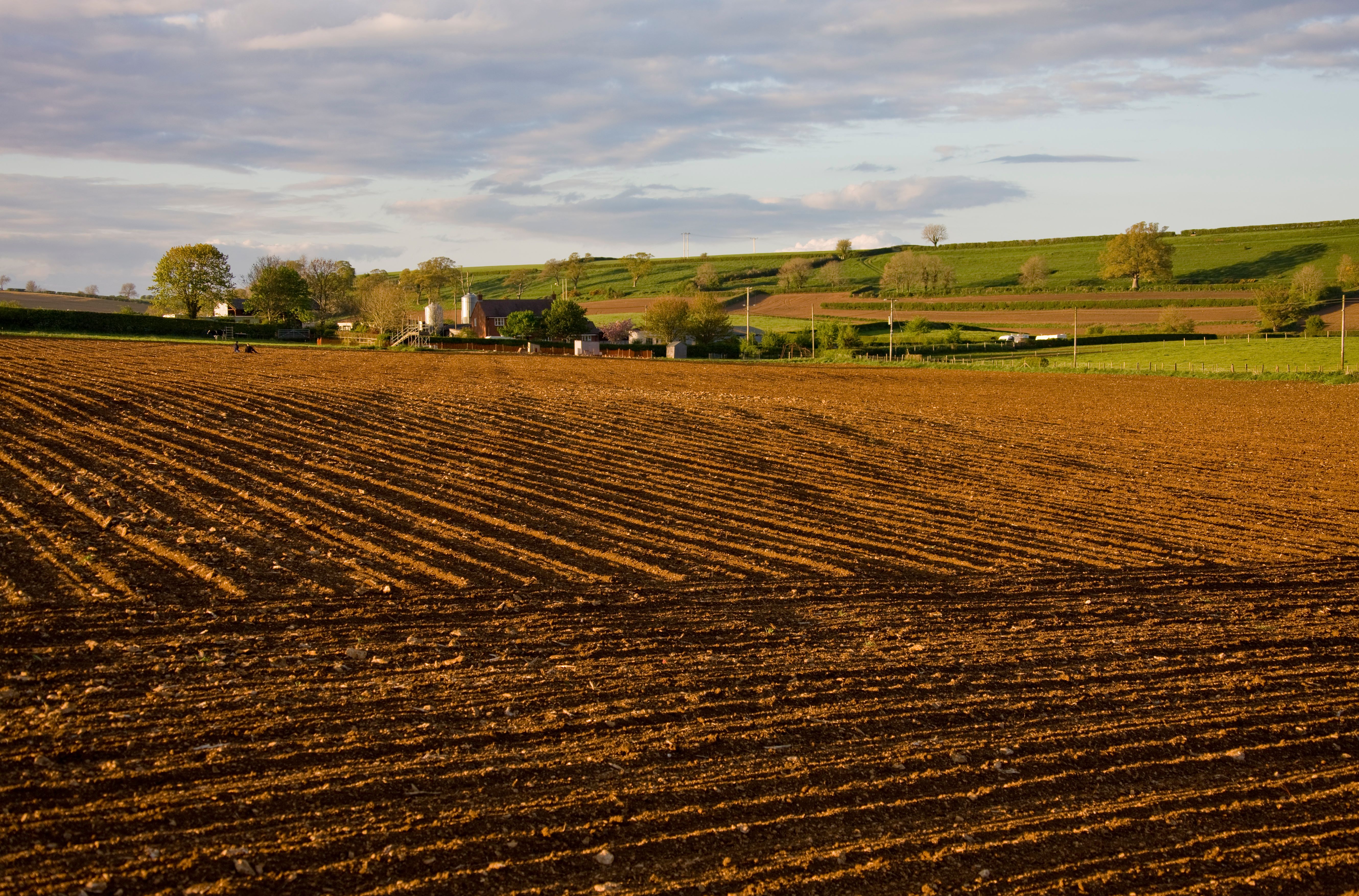
- Site visit: it's important for us to meet the landowners we work with at the early stages of development. To take in their views and opinions on how their land will be used to then create and maintain a positive relationship throughout the timeline of their project
- Agree Heads of Terms
- Submit a full grid connection application
- Detailed site feasibility: in preparation for submitting a planning application

- Sign an option to lease agreement
- Submit a full planning application to the local authority
- Local engagement: meetings with public and local councils
- Receive final planning decision
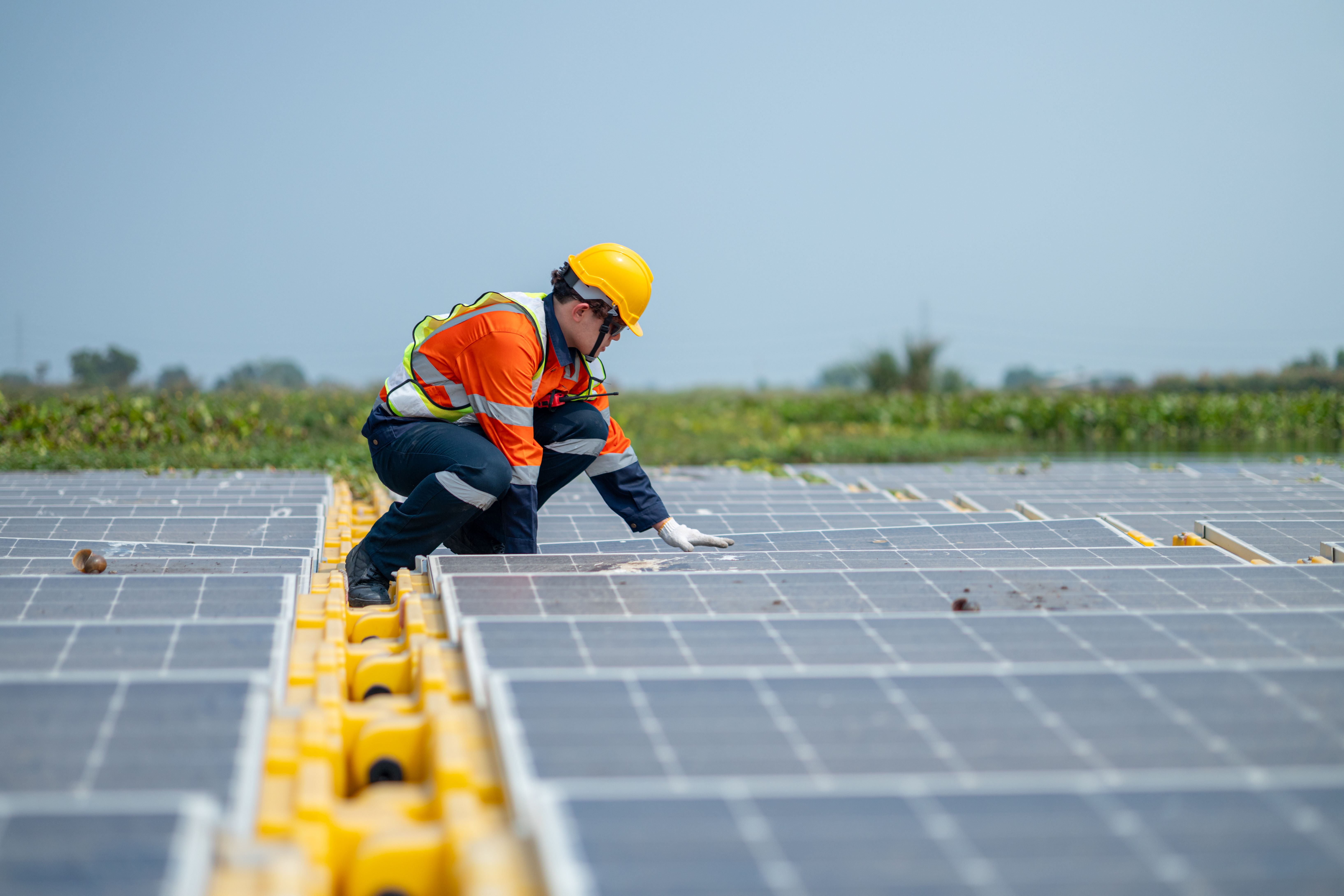
- Progress to entering the lease and construction (in accordance with grid connection timescales)
Landowner FAQs
If you have land that may be suitable for renewable energy development, we would be delighted to hear from you. Our team can provide a no commitment assessment and guide you through the process.
We assess each site on a case-by-case basis, but typically suitable land will have:
- Proximity to electrical grid infrastructure
- Good access for construction and maintenance
- Relatively flat or gently sloping terrain
- Limited environmental or planning constraints
Land that is lower-grade agricultural land or brownfield land is often particularly well suited. However, even if you're unsure, we encourage you to get in touch for a free initial review.
Entering into a renewable energy land agreement can provide:
- Long-term, stable rental income
- Diversification of farm or estate revenue
- Protection against agricultural market volatility
Agreements are typically structured over 25-40 years, offering predictable and secure returns.
No, we aim to restore land bank to how it was prior to construction whilst also seeking to improve the land's net biodiversity.
At the end of the project life, all equipment is removed and the land can be returned to its existing use, such as agricultural use.
Our team of specialists will come to fix the solar site. We provide ongoing monitoring and maintenance, ensuring any issues are identified and resolved quickly, with minimal disruption.
The process typically involves several stages:
1. Initial land assessment and grid connection application
2. Land agreement
3. Planning and environmental surveys
4. Construction and commissioning
This can take anywhere from 2-5 years depending on the site and planning requirements.
In many cases, yes. Renewable sites - especially solar - can be compatible with:
- Sheep grazing or other low-intensity agriculture
- Biodiversity enhancement schemes
- Conservation and habitat creation
We aim to ensure the land continues to deliver value beyond energy generation.
%201.png)
DRD is a trading name of Downing Renewables Developments LLP (a private limited liability partnership with registration number OC439748). DRD is not authorised or regulated by the Financial Conduct Authority, (“FCA”). As such, clients will not be afforded the protections available under the rules of the FCA and will not be eligible for compensation under the rules of the Financial Services Compensation Scheme (“FSCS”).